
Proyectos
Can anyone beat the house at a casino?

The Odds and the House Edge
In any casino game, the house edge is a critical concept that players need to understand. This term represents the statistical advantage that the casino holds over players, ensuring the establishment’s profitability in the long run. For instance, in games like blackjack, the house edge typically ranges from 0.5% to 2%, depending on the rules. Other games, such as slot machines, can have a house edge upwards of 5% or even higher. Players seeking to optimize their experience may want to consider options like ontario online casino fast withdrawal , as these odds mean that, while players can win in the short term, the house is statistically favored over time.
Understanding the house edge is essential when considering whether anyone can beat the house. Although players may have instances of success, the odds remain stacked against them, and the longer they play, the more likely they are to experience losses. Playing with effective strategies, managing bankrolls, and seeking games with lower house edges can help mitigate these odds, but the inherent advantage of the house means that beating the establishment consistently remains a significant challenge.
Additionally, it’s crucial to recognize that each game has a different structure of odds and payouts. For example, poker allows players the potential to outplay their opponents and, in some cases, the house itself, especially when they possess a superior understanding of game strategy and psychology. However, most games in a casino, such as roulette or baccarat, strictly favor the house, highlighting the challenge of overcoming the built-in advantages of these games.
Strategies to Overcome the House
While most casino games are designed to favor the house, various strategies can help players improve their chances. In games like blackjack, using strategies such as card counting can give skilled players a slight edge. Card counting involves tracking the ratio of high to low cards that remain in the deck, allowing players to make more informed betting decisions. While casinos implement measures to counteract this strategy, with practice and patience, dedicated players can still manage to tilt the odds in their favor.
Another strategy involves bankroll management, which is crucial for any casino player. Setting a budget and sticking to it can prevent players from losing more money than they can afford. This approach not only helps in mitigating losses but also allows players to stay in the game longer. Gradually increasing bets during winning streaks and minimizing losses during downturns can extend playtime and enhance the entertainment value, even if it doesn’t guarantee winning against the house.

Moreover, understanding the rules and nuances of each game can dramatically influence outcomes. Players who take time to learn the intricacies of poker or baccarat may find opportunities to exploit weaknesses in other players or the game mechanics. Ultimately, while anyone can implement strategies to enhance their gaming experience, it is crucial to remember that no method can entirely eliminate the house advantage.
The Role of Luck vs. Skill
Luck plays an undeniable role in casino games, which is why many players are drawn to them. In pure games of chance like slots or roulette, winning is primarily a matter of luck, as the outcomes are random and not influenced by prior events. In these scenarios, no skill level can permanently alter outcomes, making the proposition of consistently beating the house even more challenging and elusive.
However, games that incorporate a level of skill, such as poker or blackjack, allow players to influence outcomes through strategic decision-making. In poker, for example, understanding opponents’ behaviors and employing tactics like bluffing can help skilled players secure wins. This element of skill is what makes these games popular among serious players who believe they can beat not only their opponents but the house as well.
The distinction between skill-based games and games of chance illustrates a broader perspective on beating the house. Players who engage in skillful games have a fighting chance at consistent wins. In contrast, those who gravitate toward games reliant solely on luck may find it more challenging to overcome the house advantage, emphasizing the balance between luck and skill in the casino environment.
The Psychological Aspect of Gambling
The psychology of gambling plays a significant role in how individuals approach casino games. Many players enter casinos with a mindset focused on winning big, which can lead to risky behavior and chasing losses. Understanding cognitive biases, such as the gambler’s fallacy—the belief that past outcomes affect future results—can profoundly affect decision-making processes. This mindset often leads to irrational betting patterns, further tipping the odds in favor of the house.
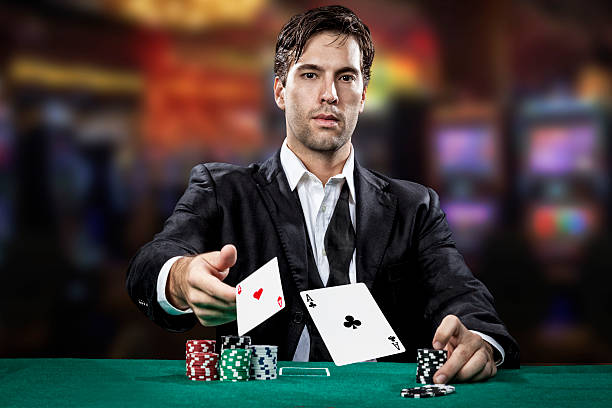
Moreover, the thrill of gambling can create a psychological trap. The excitement that comes with potential winnings can overshadow the risks and losses that accompany gambling. As players experience wins, they may develop an illusion of control, believing they can repeat successful outcomes. This can result in increased spending and risk-taking behaviors, often culminating in substantial losses that reinforce the house’s advantage.
To counteract these psychological barriers, players should adopt a more analytical approach to gambling. Setting clear limits and understanding the distinction between entertainment and profit can help maintain a balanced perspective. By recognizing gambling for what it is—a form of entertainment rather than a reliable source of income—players can enjoy their experiences while reducing the likelihood of financial pitfalls associated with the casino environment.
Conclusion: Understanding the Casino Landscape
In conclusion, while it is possible for players to have moments of triumph against the house, doing so consistently is a complex challenge due to the inherent house edge. The foundation of casino games is built on statistics, probabilities, and psychological factors that typically favor the establishment over individual players. Understanding these dynamics is crucial for anyone looking to play in a casino environment.
Players seeking to enhance their experiences in casinos can benefit from employing effective strategies, being aware of their psychological tendencies, and understanding the odds associated with their chosen games. While luck may play a role in momentary victories, skillful play and informed decision-making can contribute to a more enjoyable and potentially rewarding casino experience. Ultimately, while it may be difficult to consistently beat the house, finding enjoyment and value in the process can make the experience worthwhile.
As you navigate the casino landscape, it becomes essential to choose your strategies wisely and always play responsibly. Engaging with knowledgeable resources or platforms can provide insights into gaming strategies and tips for maximizing enjoyment without falling victim to the house edge. The key lies not only in pursuing wins but also in appreciating the various aspects of the gaming experience and the thrill it offers.